


Jun 09, 2026
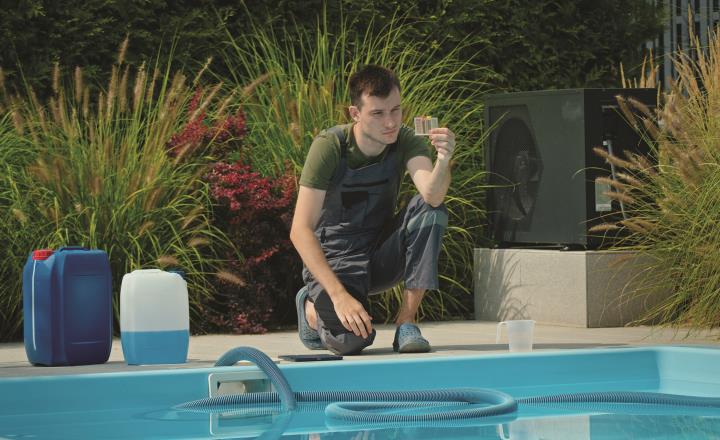
Photo courtesy of Shutterstock
Deep Clean
Start by giving your pool a good scrub. Remove debris such as leaves, branches, rocks, and other items that may have collected over time. Then use your cleaner of choice and a hard brush to scour the walls and floor to remove algae, stains, and loose dirt.
Apply an Algaecide
No one wants to swim in green water with slimy surfaces. To prevent algae growth, add an algaecide to the water. These chemical cleaning agents are best used preventively to keep algae spores from growing and the water clear.
Shock It Up
Shocking a pool is a simpler way to describe superchlorination – a process that involves adding a large amount of chlorine to destroy bacteria, algae, and other contaminants that may have formed. As for how much shock to use, usually about 1 pound of shock per 10,000 gallons of water for routine pool maintenance.
Lessons in (Water) Chemistry
A healthy pool season is all about the right mix of chemicals and pH levels. Before you get into testing mode, you’ll need to have a water testing kit on hand. Begin the process by testing the pH levels of the water and adjusting as needed to keep the pH between 7.2 and 7.8. Keeping the pH levels in this range helps prevent skin irritation and eye discomfort.
Filter First
As much as you may be ready to dive in after the prep work, you’ll want to run the filter first – for at least one full day. It helps distribute the shock and algaecide throughout the water and remove any lingering bacteria to help ensure your pool stays clear and clean.
Find more tips to get your pool ready for summer at eLivingtoday.com.