


Jul 17, 2026
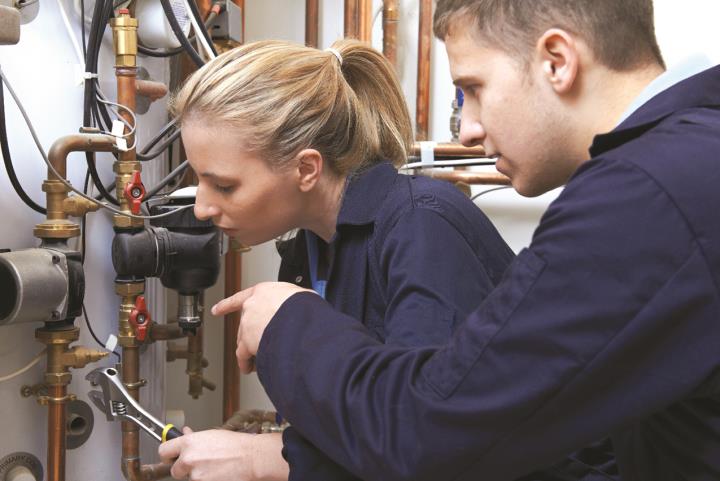
Students and families interested in vocational and trade schools may have questions about what these institutions offer and how they can benefit graduates going forward.
Are vocational schools and trade schools the same thing?
While many people assume vocational and trade schools are the same thing, there is a subtle distinction between the two. According to Advanced Technology Institute (ATI), a trade school generally focuses on skilled trades like carpentry, HVAC, and plumbing. Vocational schools tend to offer a wider range of programs, including business courses, health care, and technology.
What is a trade school?
Trade schools teach students the skills necessary to work in a specific career or profession. College and university curricula are broad-based and not necessarily as career-focused as a trade school curriculum, which does not offer humanities or liberal arts courses. Trade schools do not typically offer degrees like an associate's degree or a bachelor's degree. Students who complete a program at a trade school typically earn a certificate, diploma, or a credential recognized within the industry in which they hope to work.
What is a vocational school?
ATI notes that vocational school curricula focus on job-related training. Similar to trade schools, vocational schools are unlikely to offer courses in the humanities. Vocational schools may award certificates or diplomas, but some also offer associate's degrees or applied bachelor's degrees.
What about community colleges?
Many students may learn about vocational or trade programs offered at local community colleges. Such programs have grown in popularity, and the National Student Clearinghouse® reports that interest in vocational and trade programs drove an increase in community college enrollment during the 2024-2025 school year. Students interested in vocational or trade programs are urged to investigate the offerings at local community colleges in addition to exploring the programs at vocational or trade schools that are not necessarily affiliated with a community college. The more options students explore, the more prepared they are to choose the best school for them.
How long is vocational and trade school?
Schools and programs vary, but students who enroll in vocational and trade school and who remain in good standing can expect to graduate in less than four years, which is the average time it takes to earn a bachelor's degree at a traditional college or university. Such programs tend to be shorter because they do not require students to take prerequisites unrelated to a student's primary interest, which is common at four-year colleges and universities.
Vocational and trade schools are growing in popularity. Students who feel such institutions might be for them are urged to explore their options.